

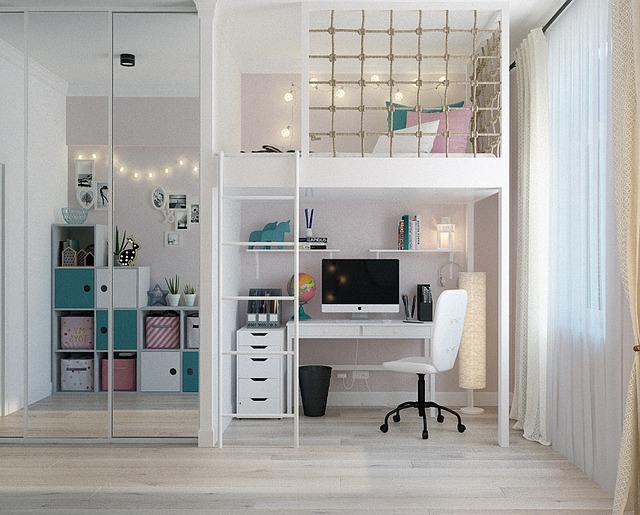
Are you an interior designer with an incredible portfolio, a keen eye for aesthetics, and a passion for transforming spaces, but struggling to get your work seen by the right clients? In today’s digital-first world, simply being talented isn’t enough. You need a robust online presence, and that’s where SEO for interior designers becomes your most powerful tool.
Search Engine Optimization (SEO) for interior designers is the strategic process of optimizing your website and online content to rank higher in search engine results, making it easier for potential clients to discover your services when they search for design solutions. It’s about ensuring your stunning portfolio, unique design philosophy, and local expertise are visible to those actively seeking an interior designer, ultimately driving qualified leads and transforming browsers into paying clients. This comprehensive guide will walk you through every essential step, from foundational website optimization to advanced local strategies, ensuring your design business shines online.
Key Takeaways:
- Local SEO is Paramount: Interior design is inherently local; optimize your Google My Business profile and local citations to capture nearby clients.
- Visual Content is King: High-quality, optimized images and videos of your portfolio are crucial for engaging prospective clients and improving search rankings.
- Keyword Research is Your Compass: Understand what your ideal clients are searching for, including long-tail and local-specific keywords.
- Build Authority with Content: Regularly publish valuable blog posts, case studies, and design tips to establish expertise and attract organic traffic.
- User Experience (UX) Matters: A fast, mobile-friendly, and easy-to-navigate website keeps visitors engaged and signals quality to search engines.
The Unique Canvas of Interior Design SEO
Interior design isn’t like selling widgets online. It’s a highly visual, trust-based, and often local service. Your SEO strategy must reflect these nuances to be truly effective.
Why SEO is Different for Creatives
For interior designers, SEO isn’t just about keywords; it’s about showcasing your aesthetic, building a brand, and demonstrating your unique style. Clients aren’t just looking for ‘interior designer near me’; they’re looking for someone whose vision aligns with theirs. This means your website needs to be a digital extension of your portfolio and personality, optimized for both search engines and human appeal.
User Intent: Visuals, Local, and Inspiration
When someone searches for an interior designer, their intent is often multi-layered. They might be looking for:
- Inspiration: Browsing design ideas, styles, or trends.
- Local Services: Finding designers in their specific city or region.
- Specific Needs: ‘Kitchen remodel designer,’ ‘luxury home decorator,’ ‘commercial interior design.’
- Portfolio Review: Evaluating a designer’s past work and aesthetic.
Your SEO strategy must cater to all these facets, from optimizing high-resolution images to ensuring your local presence is undeniable.
Phase 1: Laying the Foundation – On-Page SEO for Interior Designers
On-page SEO refers to all the elements on your website that you can optimize to improve your search engine rankings. This is where you make your site search-engine friendly and client-attractive.
Keyword Research: Finding Your Clients
Effective keyword research is the bedrock of any successful SEO strategy. For interior designers, this means identifying the exact phrases potential clients use to find services like yours.
- Brainstorm Seed Keywords: Start with broad terms like ‘interior design,’ ‘home decor,’ ‘renovation services.’
- Identify Long-Tail Keywords: These are more specific phrases that indicate higher intent, e.g., ‘modern kitchen design ideas San Francisco,’ ‘luxury bedroom decorator London,’ ‘sustainable interior design consultation.’
- Local Keywords: Always include your service areas. ‘Interior designer [City, State]’ or ‘home staging [Neighborhood].’
- Competitor Analysis: See what keywords your successful competitors are ranking for.
- Tools: Utilize tools like Google Keyword Planner, SEMrush, or Ahrefs to find relevant keywords, search volume, and competition.
Website Structure & User Experience (UX)
A well-structured, user-friendly website is crucial for both search engines and potential clients. Google prioritizes sites that offer a great user experience.
- Intuitive Navigation: Make it easy for visitors to find your portfolio, services, contact information, and about page.
- Mobile-Friendliness: A significant portion of searches happen on mobile devices. Ensure your site is responsive and looks great on all screens. For insights into creating a seamless mobile experience, consider Nielsen Norman Group’s mobile usability guidelines.
- Fast Loading Speed: Slow websites frustrate users and hurt rankings. Optimize images and use efficient hosting.
- Clear Calls to Action (CTAs): Guide visitors on what to do next – ‘Request a Consultation,’ ‘View Portfolio,’ ‘Contact Us.’
Crafting Compelling Content: Beyond Just Pretty Pictures
While visuals are paramount, compelling written content provides context, demonstrates expertise, and targets keywords. This is where you can truly implement inbound marketing principles.
- Service Pages: Detail each service you offer (e.g., residential design, commercial design, space planning, color consultation) with unique, keyword-rich descriptions.
- Project Descriptions/Case Studies: Go beyond just photos. Describe the client’s challenge, your design process, the solutions you implemented, and the final outcome. Use storytelling to engage.
- Blog Posts: A blog is an excellent way to target informational keywords. Write about design trends, tips for homeowners, behind-the-scenes glimpses, or common design dilemmas.
- About Page: Share your story, philosophy, and credentials to build trust and connect with clients on a personal level.
Image Optimization: Showcase Your Work Smartly
For interior designers, images are your storefront. Optimizing them is non-negotiable for SEO and user experience.
- High-Quality, Low File Size: Use high-resolution images but compress them to ensure fast loading times. Tools like TinyPNG or image compressor plugins can help.
- Descriptive File Names: Instead of ‘IMG_1234.jpg,’ use ‘modern-kitchen-design-san-francisco.jpg.’
- Alt Text: Provide descriptive alt text for every image. This helps search engines understand the image content and improves accessibility. Example:
<img src='modern-living-room.jpg' alt='Modern living room with minimalist furniture and natural light'>. To learn more about how images impact your online visibility, explore resources on how adding more pictures can increase SEO. - Image Sitemaps: Help search engines discover all your visual content.
Technical SEO Essentials
Technical SEO ensures search engines can easily crawl, index, and understand your website.
- Schema Markup: Implement schema markup (structured data) for your business, services, and reviews. This helps search engines display rich snippets in results, making your listing stand out.
- XML Sitemaps: Submit an XML sitemap to Google Search Console to help search engines discover all your important pages.
- Robots.txt: Use this file to guide search engine crawlers on which pages to access or avoid.
- SSL Certificate (HTTPS): Ensure your website uses HTTPS for security. It’s a ranking factor and builds trust.
- Crawlability & Indexability: Regularly check Google Search Console for any crawling errors or indexing issues. A thorough SEO audit can help identify and fix these technical issues.
Phase 2: Becoming a Local Luminary – Local SEO Strategies
For most interior designers, a significant portion of their clientele comes from their local area. Local SEO is therefore critical.
Google My Business (GMB) Optimization
Your Google My Business profile is your most important local SEO asset. It’s what appears in the ‘local pack’ results on Google Maps and local searches.
- Complete Your Profile: Fill out every section accurately and thoroughly – business name, address, phone number, website, hours, services, and categories.
- Add High-Quality Photos: Upload photos of your studio, team, and especially your completed projects.
- Get Reviews: Encourage satisfied clients to leave reviews on your GMB profile. Respond to all reviews, positive or negative, professionally.
- Post Regularly: Use the GMB ‘Posts’ feature to share updates, new projects, offers, or events.
Local Citations & Directories
Citations are mentions of your business name, address, and phone number (NAP) on other websites. Consistency is key.
- Industry-Specific Directories: List your business on platforms like Houzz, Yelp, Angi (formerly Angie’s List), and local design associations.
- General Business Directories: Ensure your NAP is consistent across major directories like Yellow Pages, Foursquare, and local chambers of commerce.
- Consistency is Crucial: Inconsistent NAP information can confuse search engines and hurt your local rankings. The principles of local SEO, whether for a design studio or a trade service, remain consistent. For example, the strategies for local SEO for plumbers can be adapted to your interior design business.
Client Reviews & Testimonials
Online reviews are a powerful trust signal for both potential clients and search engines. They contribute significantly to your E-E-A-T (Experience, Expertise, Authoritativeness, Trustworthiness).
- Actively Solicit Reviews: Don’t be shy! Ask happy clients to leave reviews on Google, Houzz, and other relevant platforms.
- Respond to All Reviews: Thank clients for positive feedback and address any negative comments constructively and professionally. This shows you value client satisfaction.
- Showcase Testimonials: Feature glowing testimonials prominently on your website.
Phase 3: Building Authority & Reach – Off-Page SEO & Beyond
Off-page SEO refers to activities done outside your website to improve its ranking. It’s primarily about building authority and trust through external signals.
Strategic Link Building
Backlinks (links from other reputable websites to yours) are a strong signal of authority to search engines. Focus on quality over quantity.
- Collaborate with Local Businesses: Partner with local architects, real estate agents, contractors, or furniture stores for cross-promotional content and backlinks.
- Guest Blogging: Write articles for other design blogs, lifestyle magazines, or local news sites, including a link back to your site.
- Press Mentions: If your work is featured in publications, ensure they link back to your website.
- Broken Link Building: Find broken links on relevant industry sites and suggest your content as a replacement.
Social Media & Visual Platforms (Pinterest, Instagram, Houzz)
While social media isn’t a direct ranking factor, it drives traffic, builds brand awareness, and can lead to valuable mentions and links.
- Pinterest: A goldmine for interior designers. Create visually stunning boards, optimize pins with keywords, and link back to your portfolio or blog posts.
- Instagram: Showcase your projects with high-quality photos and videos. Use relevant hashtags and engage with your audience.
- Houzz: An essential platform for interior designers. Maintain an active profile, upload projects, and participate in discussions.
Content Marketing: Blogging & Case Studies
Beyond your core website content, a robust content marketing strategy establishes you as a thought leader and attracts a wider audience.
- Regular Blogging: Consistently publish articles that answer common client questions, explore design trends, or offer practical advice.
- Video Content: Create video tours of your projects, behind-the-scenes glimpses, or Q&A sessions. This can significantly boost engagement. For effective video content, consider developing a strong vlog content strategy.
- E-books or Guides: Offer downloadable resources (e.g., ‘A Homeowner’s Guide to Renovation’) in exchange for email addresses, building your lead list.
Measuring Your Design Success: Analytics & Iteration
SEO isn’t a ‘set it and forget it’ strategy. You need to track your performance, analyze data, and continuously refine your approach.
Key Performance Indicators (KPIs)
Monitor these metrics to understand your SEO effectiveness:
- Organic Traffic: How many visitors come to your site from search engines?
- Keyword Rankings: Where do your target keywords rank in search results?
- Local Pack Rankings: How often do you appear in the local 3-pack?
- Leads/Conversions: How many inquiries or consultations are generated from organic search?
- Bounce Rate: The percentage of visitors who leave your site after viewing only one page. A high bounce rate might indicate poor UX or irrelevant content.
- Time on Page: How long do visitors spend on your pages? Longer times suggest engaging content.
Essential SEO Tools
Leverage these tools to track and improve your SEO efforts:
- Google Analytics: Provides detailed insights into your website traffic, user behavior, and conversions.
- Google Search Console: Essential for monitoring your site’s performance in Google Search, identifying crawl errors, and submitting sitemaps. For a deeper understanding of how Google ranks local businesses, refer to Moz’s Local Search Ranking Factors study.
- SEMrush/Ahrefs: Comprehensive tools for keyword research, competitor analysis, backlink monitoring, and site audits.
- Local SEO Tools: Tools like BrightLocal or Whitespark can help manage local citations and monitor local rankings.
Developing a clear SEO roadmap will help you prioritize these efforts and ensure consistent progress.
Common SEO Mistakes & Pro Tips for Interior Designers
Avoid these common pitfalls and implement expert strategies to accelerate your SEO success.
Pitfalls to Avoid:
- Ignoring Local SEO: Not optimizing for your geographic location is a huge missed opportunity.
- Poor Image Optimization: Large, unoptimized images slow down your site and don’t help search engines understand your content.
- Neglecting Mobile-Friendliness: A non-responsive site will deter mobile users and be penalized by Google.
- Lack of Fresh Content: A static website signals to search engines that your site isn’t active or authoritative.
- Keyword Stuffing: Overusing keywords unnaturally can lead to penalties and a poor user experience.
- Not Tracking Progress: Without analytics, you won’t know what’s working and what isn’t.
Expert Strategies for Growth:
- Video Marketing: Create video walkthroughs of your projects, interviews with clients, or design tips. Videos are highly engaging and rank well.
- Virtual Tours: Offer 360-degree virtual tours of completed projects. This immersive content can significantly boost engagement and time on site.
- Collaborate with Influencers: Partner with local lifestyle bloggers or home decor influencers for exposure and potential backlinks.
- Focus on E-E-A-T: Continuously demonstrate your Experience, Expertise, Authoritativeness, and Trustworthiness through high-quality content, client testimonials, and industry recognition.
- Leverage Pinterest Rich Pins: Use rich pins to provide more context about your design projects directly on Pinterest.
Frequently Asked Questions (FAQs) about SEO for Interior Designers
What is SEO for interior designers?
SEO for interior designers is the process of optimizing your online presence, including your website and Google My Business profile, to rank higher in search engine results. This helps potential clients find your design services when they search for interior design-related terms online.
How important is local SEO for an interior design business?
Local SEO is critically important for interior designers because most clients seek services within their geographic area. Optimizing for local search ensures your business appears in ‘near me’ searches and on Google Maps, directly connecting you with local prospects.
What are the best keywords for interior designers to target?
The best keywords are a mix of broad, long-tail, and local terms. Examples include ‘luxury interior design [City],’ ‘modern kitchen remodel [Neighborhood],’ ‘residential decorator services,’ ‘sustainable home design,’ and specific style-based terms like ‘mid-century modern interiors.’ Keyword research tools can help identify the most relevant and high-intent phrases.
How can I optimize my interior design portfolio for SEO?
To optimize your portfolio, ensure all images are high-quality but compressed for fast loading, use descriptive file names and alt text, and write detailed project descriptions that include relevant keywords, client challenges, and design solutions. Consider adding schema markup for your projects.
Should interior designers have a blog for SEO?
Yes, a blog is highly beneficial for SEO. It allows you to create fresh, keyword-rich content that answers client questions, showcases your expertise, and targets informational search queries. This helps establish your authority, drives organic traffic, and provides content for social media sharing.
How often should I update my website’s SEO for my design business?
SEO is an ongoing process, not a one-time task. You should regularly update your content, monitor keyword rankings, respond to reviews, check for technical issues, and build new backlinks. A consistent monthly or quarterly review and optimization schedule is recommended to stay competitive.
Design Your Digital Future with SEO
In the competitive world of interior design, simply having a beautiful portfolio isn’t enough to stand out. Implementing a strategic SEO plan is the blueprint for building your online visibility, attracting your ideal clients, and growing your business sustainably. By focusing on local SEO, optimizing your visual content, crafting compelling narratives, and continuously refining your strategy, you can transform your website into a powerful lead-generating machine.
Don’t let your stunning designs remain hidden. Start applying these SEO strategies today and watch your client inquiries flourish. For more insights into boosting your online presence and unlocking your business’s full potential, visit Groovstacks.