

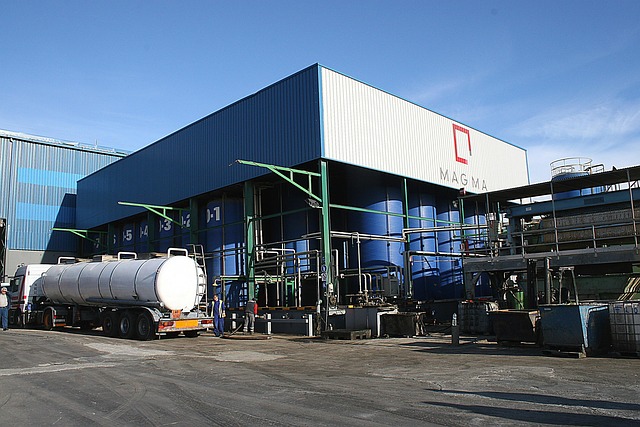
In the vast, intricate world of industrial manufacturing and B2B services, digital visibility isn’t just a luxury; it’s a necessity. Traditional marketing channels, while still relevant, are increasingly complemented – and often overshadowed – by the power of online search. But for industrial companies, the path to digital dominance is rarely straightforward. You’re not selling consumer goods; you’re offering complex solutions, specialized machinery, and critical services to a highly specific audience. This is where a tailored approach to SEO for industrial companies becomes your most potent tool.
SEO for industrial companies is a specialized digital marketing strategy focused on optimizing the online presence of manufacturing, B2B, and heavy industry businesses. It involves technical SEO, in-depth keyword research for niche markets, content creation around complex specifications and solutions, strategic link building, and local SEO tactics to attract qualified leads, build industry authority, and drive measurable business growth within long sales cycles.
Key Takeaways
- Industrial SEO demands a deep understanding of B2B buyer journeys and technical product specifications.
- Effective strategies integrate technical SEO, niche keyword research, and authoritative content marketing.
- Building topical authority through detailed resources and industry insights is crucial for long-term success.
- Measuring ROI goes beyond simple traffic; it focuses on qualified lead generation and conversion rates.
- Continuous optimization, including regular SEO audits and content refreshes, is essential for sustained growth.
Understanding the Industrial Buyer Journey in the Digital Age
The industrial buyer journey is fundamentally different from consumer purchasing. It’s often characterized by longer sales cycles, multiple decision-makers, extensive research, and a strong emphasis on technical specifications, reliability, and return on investment. Before a procurement manager even considers contacting a sales representative, they’ve likely conducted significant online research.
The Stages of Industrial Procurement Online
- Awareness: Buyers identify a problem or need. They search for general solutions, industry trends, or common challenges.
- Consideration: They research specific types of products, services, or technologies. This involves comparing features, benefits, and potential suppliers. Technical documentation, case studies, and detailed product pages become critical.
- Decision: Buyers evaluate specific vendors, request quotes, and look for proof of expertise and reliability. Testimonials, certifications, and in-depth whitepapers play a key role.
Your SEO strategy must align with these stages, ensuring your industrial company appears at every critical touchpoint with relevant, authoritative content.
Core Pillars of Industrial SEO
To truly excel in the industrial landscape, a multi-faceted SEO approach is required. It’s about more than just ranking; it’s about connecting with the right buyers at the right time.
Technical SEO Foundations for Industrial Websites
Industrial websites often feature vast product catalogs, complex navigation, and large media files. Technical SEO ensures search engines can efficiently crawl, index, and understand your site’s content.
- Site Speed & Mobile Responsiveness: Critical for user experience and search engine rankings. Industrial buyers are often on the go, using tablets or phones.
- Crawlability & Indexability: Ensure robots.txt and sitemaps are correctly configured. Avoid broken links and duplicate content issues, which can be common with extensive product databases.
- Structured Data (Schema Markup): Implement schema for products, organizations, reviews, and FAQs to provide rich snippets in search results, enhancing visibility and click-through rates.
- Website Architecture: A logical, hierarchical site structure helps both users and search engines navigate your complex offerings.
Keyword Research for Niche Industrial Markets
Generic keywords won’t cut it. Industrial keyword research dives deep into the specific terminology, problems, and solutions your target audience is searching for.
- Long-Tail & Specific Keywords: Focus on highly specific phrases like ‘CNC machining services for aerospace components’ or ‘industrial automation solutions for pharmaceutical manufacturing.’
- Problem-Solution Keywords: Identify the pain points your products solve (e.g., ‘reduce downtime in production line,’ ‘improve energy efficiency industrial pumps’).
- Competitor Analysis: Analyze what keywords your industrial competitors are ranking for and identify gaps.
- Industry Jargon & Acronyms: Incorporate the precise language used by engineers, procurement specialists, and plant managers.
Content Strategy: From Specifications to Solutions
Content is the bedrock of industrial SEO, but it must be tailored to the unique needs of your audience. It’s not just about product descriptions; it’s about demonstrating expertise and solving problems.
- Detailed Product & Service Pages: Go beyond basic features. Include technical specifications, applications, benefits, certifications, and downloadable datasheets.
- Technical Articles & Whitepapers: Position your company as a thought leader by publishing in-depth articles, research papers, and whitepapers on industry challenges, new technologies, and best practices.
- Case Studies & Success Stories: Showcase real-world applications of your products and services, demonstrating tangible results and ROI for clients.
- How-To Guides & Tutorials: Provide valuable resources that help your audience understand complex processes or utilize your products more effectively.
- Video Content: Demonstrations of machinery, factory tours, or interviews with engineers can be highly engaging. Consider how a vlog content strategy could showcase your industrial processes.
Link Building & Authority in the Industrial Sector
Earning high-quality backlinks from authoritative industrial and engineering websites signals to search engines that your site is a trusted resource. This is crucial for building topical authority.
- Industry Partnerships: Collaborate with non-competing industrial companies or associations for guest posting and resource sharing.
- Supplier/Distributor Networks: Leverage relationships with your supply chain partners for reciprocal linking opportunities.
- Press Releases & Industry News: Distribute news about new products, innovations, or company milestones to relevant industrial publications.
- Thought Leadership & Research: Create original research or comprehensive guides that other industry sites will naturally want to cite.
Local SEO for Industrial Facilities
Many industrial companies operate with physical locations – factories, distribution centers, or service hubs. Local SEO ensures you’re found by businesses searching for local suppliers or services.
- Google Business Profile Optimization: Claim and fully optimize your Google Business Profile for each relevant location, including accurate addresses, hours, services, and photos.
- Local Citations: Ensure consistent Name, Address, Phone (NAP) information across all online directories.
- Geo-Targeted Content: Create content that speaks to local industrial needs or highlights your service area.
Implementing an Industrial SEO Strategy
A successful industrial SEO strategy isn’t a one-time fix; it’s an ongoing process of refinement and adaptation. It begins with a clear roadmap and continues with diligent execution and analysis.
Website Structure & User Experience (UX)
For industrial sites, UX is paramount. Buyers need to quickly find technical specifications, understand complex product lines, and easily contact sales. A well-structured website is key.
- Intuitive Navigation: Organize products and services into clear categories and subcategories. Use breadcrumbs to help users track their location.
- Search Functionality: Implement robust internal search capabilities, especially for sites with extensive product catalogs.
- Clear Calls-to-Action (CTAs): Guide users toward requesting a quote, downloading a datasheet, or contacting sales.
Optimizing for Product & Service Pages
Each product or service page is a potential entry point for a buyer. Optimize these pages meticulously.
- Unique & Detailed Descriptions: Avoid manufacturer-provided boilerplate text. Write unique, comprehensive descriptions that highlight benefits and applications.
- High-Quality Images & Videos: Showcase your products in action, from multiple angles, and with clear technical diagrams.
- Customer Reviews & Testimonials: Build trust and credibility by featuring feedback from satisfied industrial clients.
Leveraging Video & Visual Content
In an industry often characterized by complex machinery and processes, visual content can be incredibly effective in conveying information and engaging audiences.
- Product Demonstrations: Show how your equipment works, its features, and its benefits in a real-world setting.
- Factory Tours: Offer virtual tours to showcase your capabilities, quality control, and operational scale.
- Explainer Videos: Simplify complex technical concepts or explain the value proposition of your services.
Analytics & Reporting: Measuring ROI in Industrial SEO
Measuring the effectiveness of your industrial SEO efforts requires tracking metrics that align with your business goals, which often extend beyond simple website traffic. For a deeper understanding of your marketing efforts, consider exploring the broader concept of a marketing funnel.
- Qualified Lead Generation: Track form submissions, phone calls, and demo requests from organic search.
- Conversion Rates: Monitor how many visitors from organic search complete desired actions (e.g., download a whitepaper, request a quote).
- Keyword Rankings & Visibility: Track your position for key industrial terms.
- Website Engagement: Analyze time on page, bounce rate, and pages per session to gauge content effectiveness.
- Sales Pipeline Influence: Work with your sales team to attribute closed deals to organic search efforts.
For a comprehensive overview of your B2B digital health, a B2B SEO audit can provide invaluable insights.
Comparison Table: Traditional SEO vs. Industrial SEO
| Feature | Traditional SEO (e.g., E-commerce) | Industrial SEO (B2B/Manufacturing) |
|---|---|---|
| Target Audience | Broad consumers, diverse demographics | Niche B2B buyers, engineers, procurement, plant managers |
| Keyword Focus | High-volume, often short-tail, transactional | Low-volume, high-intent, long-tail, technical, problem-solution |
| Content Type | Product reviews, lifestyle blogs, deals | Technical specs, whitepapers, case studies, datasheets, industry insights |
| Sales Cycle | Short, impulse-driven | Long, complex, multi-stakeholder |
| Conversion Metrics | Direct sales, add-to-cart | Lead generation (RFQs, demos), whitepaper downloads, contact forms |
| Link Building | Guest posts, influencer outreach | Industry associations, supplier networks, technical publications, research citations |
| Local SEO | Important for brick-and-mortar stores | Important for physical plants, service areas, distribution hubs |
| E-E-A-T Emphasis | General authority, user reviews | Deep technical expertise, certifications, industry recognition, engineering prowess |
Common Mistakes & Pro Tips in Industrial SEO
Common Mistakes to Avoid
- Ignoring Technical SEO: A complex industrial site with technical issues will struggle to rank, regardless of content quality.
- Using Generic Keywords: Targeting broad, consumer-oriented terms will attract the wrong audience and waste resources.
- Underestimating Content Depth: Industrial buyers need comprehensive, data-driven information, not superficial marketing fluff.
- Neglecting Analytics: Without proper tracking, you can’t measure ROI or identify areas for improvement.
- Failing to Integrate with Sales: SEO efforts should directly support the sales team’s objectives and provide qualified leads.
Pro Tips for Industrial SEO Success
- Embrace E-E-A-T (Experience, Expertise, Authoritativeness, Trustworthiness): Showcase your company’s deep industry knowledge, certifications, and the experience of your engineers and specialists. This is paramount for industrial buyers.
- Focus on Problem-Solving Content: Position your products and services as solutions to specific industrial challenges.
- Leverage Industry Events & Trade Shows: Use these as opportunities for content creation (interviews, summaries) and networking for potential backlinks.
- Consider Account-Based Marketing (ABM) with SEO: Tailor content and SEO efforts to attract specific high-value industrial accounts.
- Stay Updated with Search Algorithm Changes: The digital landscape is always evolving. Regularly review official Google documentation and industry news to adapt your strategy.
- Don’t Forget About Voice Search: Industrial professionals might use voice commands for quick information retrieval. Optimize for natural language queries.
FAQ Section: Industrial SEO Explained
What is the primary goal of SEO for industrial companies?
The primary goal is to increase online visibility, attract highly qualified B2B leads, and establish the company as an authoritative expert within its niche industrial sector, ultimately driving sales and business growth.
How does industrial SEO differ from general SEO?
Industrial SEO differs by focusing on niche, technical keywords, long sales cycles, a B2B audience, specialized content (e.g., datasheets, whitepapers), and a strong emphasis on demonstrating deep industry expertise (E-E-A-T) rather than broad consumer appeal.
What kind of content works best for industrial SEO?
Content that works best includes detailed product/service pages with technical specifications, in-depth whitepapers, case studies, how-to guides, industry research, and video demonstrations. The key is to provide comprehensive, valuable information that addresses specific buyer needs.
Is local SEO important for industrial businesses?
Yes, local SEO is crucial for industrial businesses with physical locations (factories, service centers) or those serving specific geographic regions. It helps attract local businesses searching for suppliers, manufacturers, or services in their vicinity.
How long does it take to see results from industrial SEO?
Industrial SEO is a long-term strategy. While some improvements can be seen within a few months, significant results, such as top rankings for competitive keywords and consistent lead generation, typically take 6-12 months or even longer due to the complexity of the industry and the nature of B2B sales cycles. A well-defined SEO roadmap can help manage expectations and track progress.
What are some key metrics to track for industrial SEO?
Key metrics include qualified lead generation (form submissions, calls), conversion rates (downloads, RFQs), keyword rankings, organic traffic, website engagement (time on page, bounce rate), and ultimately, the influence of organic search on the sales pipeline and revenue. For a deeper dive into the specific challenges of optimizing for engineering firms, you might find insights in our guide on SEO for engineering.
Why is E-E-A-T particularly important for industrial SEO?
E-E-A-T (Experience, Expertise, Authoritativeness, Trustworthiness) is vital because industrial buyers make high-stakes decisions based on reliability, precision, and proven capability. Demonstrating deep technical knowledge, industry certifications, and a track record of success builds the trust necessary for these critical B2B relationships. Research from reputable sources like the National Institute of Standards and Technology (NIST) often underpins the trust industrial buyers place in technical information.
Conclusion: Charting Your Course to Industrial Digital Leadership
The digital landscape presents an unparalleled opportunity for industrial companies to connect with their target audience, generate high-quality leads, and solidify their position as industry leaders. By embracing a strategic, comprehensive approach to SEO – one that understands the nuances of the industrial buyer journey, prioritizes technical excellence, and delivers truly authoritative content – you can transform your online presence from a mere brochure into a powerful growth engine.
Don’t let the complexity of your products or the length of your sales cycles deter you. With the right industrial SEO strategy, your company can not only compete but dominate in the digital realm, attracting the right partners and projects to fuel sustainable success. Ready to elevate your industrial company’s digital presence? Explore how Groovstacks can help you build a robust SEO strategy tailored to your unique needs. Visit Groovstacks today to learn more.