

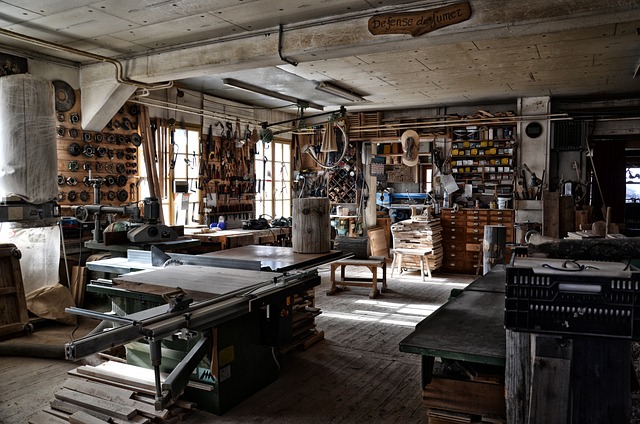
Mastering SEO for Carpenters: Build Your Business Online Like a Pro
In the world of sawdust, precision cuts, and custom creations, your craftsmanship speaks volumes. But in today’s digital age, how do potential clients discover your exceptional skills? The answer lies in Search Engine Optimization (SEO). SEO for carpenters is about making your business visible to the right people at the right time – when they’re actively searching online for carpentry services. It’s the blueprint for attracting more leads, booking more projects, and ultimately, building a stronger, more profitable business.
At its core, SEO for carpenters involves optimizing your online presence to rank higher in search engine results, particularly local searches. This means ensuring your website, Google Business Profile, and other online assets are structured and filled with content that Google and other search engines deem relevant and authoritative for local users looking for woodworkers, custom cabinet makers, deck builders, or general carpentry services in their area. By mastering this, you transform passive online searches into active customer inquiries.
Key Takeaways for Carpenters Mastering SEO
- Local SEO is Paramount: Optimize your Google Business Profile (GBP) and local citations to capture nearby customers.
- Your Website is Your Digital Workshop: Invest in a mobile-friendly, fast-loading site with clear project galleries and contact info.
- Content is King (and Craftsmanship): Showcase your work through blogs, project case studies, and high-quality images to demonstrate expertise.
- Reviews Build Trust & Rankings: Actively solicit and manage online reviews across platforms to boost credibility and local search performance.
- Continuous Optimization is Key: SEO is an ongoing process, requiring regular audits, performance tracking, and strategic adjustments to stay competitive.
What is SEO and Why Every Carpenter Needs It
SEO, or Search Engine Optimization, is the practice of increasing the quantity and quality of traffic to your website through organic search engine results. For a carpenter, this means when someone types “custom cabinets near me” or “deck builder [your city]” into Google, your business appears prominently among the top results.
Understanding the Digital Landscape for Trades
Gone are the days when a listing in the Yellow Pages or a sign on your truck was enough. Today, the vast majority of potential clients start their search online. If your carpentry business isn’t easily found on Google, you’re missing out on a significant number of opportunities. Consider this: when someone needs a carpenter, they usually need one *now* or in the very near future. Their search intent is often high, meaning they’re ready to hire.
The Power of Local Search for Carpenters
Local SEO is arguably the most critical component of a carpenter’s online strategy. Most carpentry jobs are geographically bound. Clients want a carpenter who serves their specific area. Google’s algorithms are designed to deliver highly localized results, especially for service-based businesses. Appearing in the “local pack” – the map section at the top of Google search results – can be a game-changer for lead generation. To dive deeper into how tradesmen leverage their online presence, consider exploring comprehensive tradesman SEO strategies.
Building Your Foundational Online Presence
Before you can optimize, you need a solid foundation. This starts with two critical assets: your website and your Google Business Profile.
Your Website: The Digital Workshop
Your website is your online storefront, portfolio, and sales hub all rolled into one. It’s where potential clients learn about your services, see examples of your work, and contact you. For carpenters, a professional website should:
- Showcase Your Portfolio: High-quality images and descriptions of completed projects are non-negotiable. This is where your craftsmanship truly shines online.
- Clearly List Services: Detail exactly what you offer – custom cabinetry, deck building, trim work, furniture repair, etc.
- Include Testimonials: Social proof is incredibly powerful.
- Be Mobile-Friendly: Most people will browse your site on their phones. A clunky, slow mobile experience will drive them away.
- Have Clear Calls-to-Action (CTAs): Make it easy for visitors to request a quote, schedule a consultation, or call you directly.
- Load Quickly: Page speed is a ranking factor and crucial for user experience.
Mastering Google Business Profile (GBP)
Your Google Business Profile is the single most important local SEO tool. It’s the free listing that appears in Google Maps and the local pack. To optimize your GBP:
- Claim and Verify: Ensure your business is claimed and verified.
- Complete All Sections: Fill out every detail accurately – business name, address, phone number, website, hours of operation, services offered, and categories.
- Add High-Quality Photos: Upload images of your workshop, team, and finished projects. This significantly boosts engagement. You can learn more about the impact of images on SEO more broadly.
- Write a Compelling Description: Use keywords naturally to describe your services and unique selling propositions.
- Gather and Respond to Reviews: Actively ask clients for reviews and respond to every single one, positive or negative. This builds trust and shows you’re engaged.
- Use Google Posts: Share updates, offers, and new projects regularly through Google Posts.
For more detailed guidance, refer to Google’s official advice on optimizing your Google Business Profile.
Essential On-Page SEO Strategies for Carpenters
On-page SEO refers to all the optimizations you make directly on your website to improve its search engine ranking. It’s about telling search engines exactly what your pages are about.
Keyword Research: Finding Your Niche Audience
This is where you discover what terms potential clients are actually searching for. Don’t just guess! Think like your customer:
- Local Keywords: “carpenter [city name]”, “deck builder [neighborhood]”, “custom shelving [county]”.
- Service-Specific Keywords: “hardwood floor installation”, “kitchen cabinet refacing”, “built-in bookcase design”.
- Long-Tail Keywords: More specific phrases like “affordable custom carpentry services for small homes” or “repair antique wooden furniture [city]”. These often have lower search volume but higher conversion rates.
Use tools like Google Keyword Planner (free), SEMrush, or Ahrefs to find relevant keywords with good search volume and manageable competition.
Crafting Compelling Content: Beyond Just Text
Once you have your keywords, integrate them naturally into your website content, including:
- Page Titles and Meta Descriptions: These are the first things users see in search results. Make them click-worthy and keyword-rich.
- Header Tags (H1, H2, H3): Structure your content logically using headers. Your H1 should contain your primary keyword, and H2s and H3s can incorporate secondary and long-tail keywords.
- High-Quality Body Content: Write detailed, informative, and engaging descriptions of your services and projects. Don’t just list features; explain the benefits to the customer. For instance, instead of “Deck building,” try “Crafting Durable, Beautiful Decks for Your Backyard Oasis.”
- Project Galleries and Case Studies: Use stunning images and detailed write-ups of your projects. Explain the client’s problem, your solution, and the materials used.
- Blog Posts: Create content that answers common questions (e.g., “How much does a custom kitchen island cost?” “What are the best woods for outdoor furniture?”). This establishes your expertise and attracts more organic traffic. This aligns well with understanding inbound marketing, which focuses on attracting customers by creating valuable content.
Technical SEO Basics: Ensuring Your Site is Search Engine Friendly
While often overlooked by tradesmen, technical SEO ensures search engines can easily crawl, understand, and index your website.
- Site Speed: Optimize images, use caching, and choose a reliable hosting provider.
- Mobile Responsiveness: Ensure your site looks and functions perfectly on all devices.
- HTTPS: Secure your website with an SSL certificate. Google favors secure sites.
- XML Sitemaps: Submit an XML sitemap to Google Search Console to help Google discover all your pages.
- Schema Markup: Implement structured data (schema markup) for your business (e.g., LocalBusiness, Service, Product). This helps search engines understand your content better and can lead to rich snippets in search results.
Regularly check Google Search Console for any crawling errors or performance issues. For a deeper dive into evaluating your site’s health, consider performing a comprehensive SEO audit.
Off-Page SEO: Expanding Your Reach Beyond Your Website
Off-page SEO refers to actions taken outside of your website to impact your rankings. It tells search engines how valuable and trustworthy your site is.
Building Authoritative Backlinks
Backlinks (links from other websites to yours) are like votes of confidence. High-quality backlinks from reputable local businesses, suppliers, or industry associations can significantly boost your authority.
- Local Business Directories: Ensure consistent listings on Yelp, Houzz, Angi, HomeAdvisor, etc.
- Supplier Links: If you use specific lumber yards or hardware suppliers, see if they’ll link to your site as a featured contractor.
- Collaborate with Complementary Businesses: Partner with local interior designers, architects, or general contractors for reciprocal links or joint content creation.
- Local Sponsorships: Sponsoring local sports teams or community events can sometimes earn you a link from their website.
Quality over quantity is crucial here. A few strong, relevant links are far more valuable than many low-quality ones. You can find more information about building trust and authority through external signals in the Google Search Central documentation.
Leveraging Online Reviews and Testimonials
We already touched on GBP reviews, but broaden your focus. Reviews on platforms like Facebook, Yelp, and industry-specific sites also contribute to your online reputation and local search visibility. Always encourage satisfied clients to leave a review and make the process easy for them.
Social Media for Carpenters: Showcase Your Craft
While not a direct ranking factor, social media can drive traffic to your website, increase brand awareness, and foster engagement, all of which indirectly support your SEO efforts.
- Visual Platforms are Key: Instagram and Pinterest are perfect for showcasing your visual work. Use high-quality photos and videos.
- Facebook: Build a local community, share project updates, and run targeted local ads.
- YouTube: Create “how-to” videos, time-lapses of projects, or client testimonials. Video content can be highly engaging and rank well on its own.
Measuring Success and Adapting Your Strategy
SEO isn’t a “set it and forget it” strategy. It requires ongoing monitoring and adjustments.
Key Metrics to Track
- Organic Traffic: How many visitors come to your site from search engines?
- Keyword Rankings: Where do your target keywords rank in search results?
- Local Pack Impressions/Clicks: How often does your GBP appear, and how many people click through?
- Leads/Conversions: How many inquiries, quote requests, or calls are you getting directly from organic search?
- Bounce Rate: How many visitors leave your site after viewing only one page? A high bounce rate can indicate poor content or user experience.
Use Google Analytics and Google Search Console to track these metrics. Understanding what’s working (and what isn’t) allows you to refine your approach.
The Importance of Regular SEO Audits
Periodically, you should review your entire SEO strategy. An audit can identify technical issues, content gaps, new keyword opportunities, or areas where competitors are outperforming you. This proactive approach ensures your strategy remains effective and adapts to algorithm changes. Building a strategic SEO roadmap can help you plan these audits and ongoing efforts effectively.
DIY SEO vs. Hiring an SEO Expert for Your Carpentry Business
Many carpenters consider doing their own SEO. Here’s a quick comparison:
| Feature | DIY SEO | Hiring an SEO Expert |
|---|---|---|
| Cost | Lower initial monetary cost (time is the main investment) | Higher monetary investment |
| Time Commitment | Significant time required for learning, implementation, and monitoring | Minimal time from carpenter (focus on your craft) |
| Expertise Level | Requires learning complex concepts and staying updated | Leverages specialized knowledge and industry best practices |
| Results Timeline | Potentially slower, with trial-and-error | Potentially faster and more efficient, with data-driven strategies |
| Scalability | Limited by your own capacity and knowledge | Scalable strategies tailored to growth goals |
| Tools & Resources | May use free tools, less access to premium resources | Access to advanced paid tools and analytics platforms |
| Focus | Divided between carpentry work and marketing | Full focus on optimizing online presence and generating leads |
Common SEO Mistakes Carpenters Make (and How to Avoid Them)
- Neglecting Local SEO: Not fully optimizing GBP or inconsistent local listings. Fix: Prioritize GBP and use consistent NAP (Name, Address, Phone) across all directories.
- Ignoring Mobile-Friendliness: Having a website that performs poorly on smartphones. Fix: Use a responsive design and test your site on various devices.
- Lack of Fresh Content: A static website with no new project updates or blog posts. Fix: Regularly add new project photos, write blog posts, or update service descriptions.
- Skipping Review Management: Not asking for reviews or responding to them. Fix: Implement a system for soliciting reviews and respond promptly and professionally to all feedback.
- Keyword Stuffing: Overloading content with keywords in an unnatural way. Fix: Write naturally for your audience; use keywords organically and sparingly.
- Not Tracking Performance: Guessing what works instead of using data. Fix: Set up Google Analytics and Search Console; regularly review your metrics.
Pro Tips for Dominating Local Carpentry Search
- Hyper-Local Landing Pages: If you serve multiple towns or neighborhoods, consider creating specific landing pages for each, optimized with local keywords.
- Video Marketing: Showcase your process, client testimonials, and finished projects through short videos on your website and YouTube.
- Build “Expert” Content: Go beyond services. Create guides on “Choosing the Right Wood for Your Deck,” “Maintaining Custom Cabinetry,” or “DIY vs. Pro: When to Hire a Carpenter.” This establishes authority.
- Embrace Structured Data: Use schema markup to highlight your business type, services, reviews, and contact information. This can help you stand out in search results with rich snippets.
- Don’t Forget Voice Search: People often use more conversational queries with voice assistants (e.g., “Hey Google, find a good carpenter near me”). Optimize for these longer, question-based phrases.
To deepen your understanding of effective digital strategies, especially for service-based businesses, consider resources from reputable organizations like the Small Business Administration’s marketing guide.
Frequently Asked Questions About SEO for Carpenters
What is the most important SEO factor for a local carpentry business?
For a local carpentry business, the most important SEO factor is optimizing your Google Business Profile (GBP). A fully completed, verified, and actively managed GBP with consistent information, high-quality photos, and customer reviews will significantly impact your visibility in the local pack and Google Maps results.
How long does it take to see results from SEO for a carpentry business?
SEO is a long-term strategy. While some improvements can be seen within a few weeks (e.g., better GBP visibility), significant ranking improvements and consistent lead generation typically take 3 to 6 months, and often longer for highly competitive markets. Patience and consistent effort are crucial.
Do I need a blog on my carpentry website?
Yes, a blog is highly recommended. It allows you to create valuable content around keywords, establish your expertise, answer common customer questions, and showcase your knowledge. This content helps attract organic traffic, builds authority, and provides internal linking opportunities, all contributing to better SEO.
How can I get more online reviews for my carpentry business?
To get more online reviews, make it a standard practice to ask satisfied customers. You can do this in person, via email with a direct link to your Google Business Profile or other review sites, or even with a QR code on your business cards. Make the process as simple as possible for them.
Should carpenters use social media for SEO?
While social media is not a direct ranking factor for SEO, it indirectly supports your efforts. It can drive traffic to your website, increase brand awareness and engagement, and provide platforms to showcase your work (especially visual platforms like Instagram and Pinterest). This increased visibility and engagement can lead to more searches for your brand, ultimately aiding SEO.
What type of content should a carpenter create for SEO?
Carpenters should create content that demonstrates their expertise and answers customer questions. This includes: detailed project showcases (with before/after photos and descriptions), blog posts on topics like “Choosing the Right Wood” or “Cost of Custom Cabinets,” “how-to” guides for simple repairs, and video tours of projects or your workshop.
Build Your Digital Foundation: The Carpenter’s Guide to Online Success
Embarking on an SEO journey might seem as complex as a detailed joinery project, but with the right tools and a clear plan, the results are incredibly rewarding. For carpenters, a strong online presence fueled by effective SEO means more than just higher rankings; it means a steady stream of qualified leads, a growing reputation, and the freedom to focus on the craft you love. By investing in your digital visibility, you’re not just marketing your business – you’re building a sustainable future.
Ready to nail your online strategy and ensure your craftsmanship is seen by those who need it most? Discover how Groovstacks can help you lay the foundation for digital success. Visit Groovstacks today to explore our services.